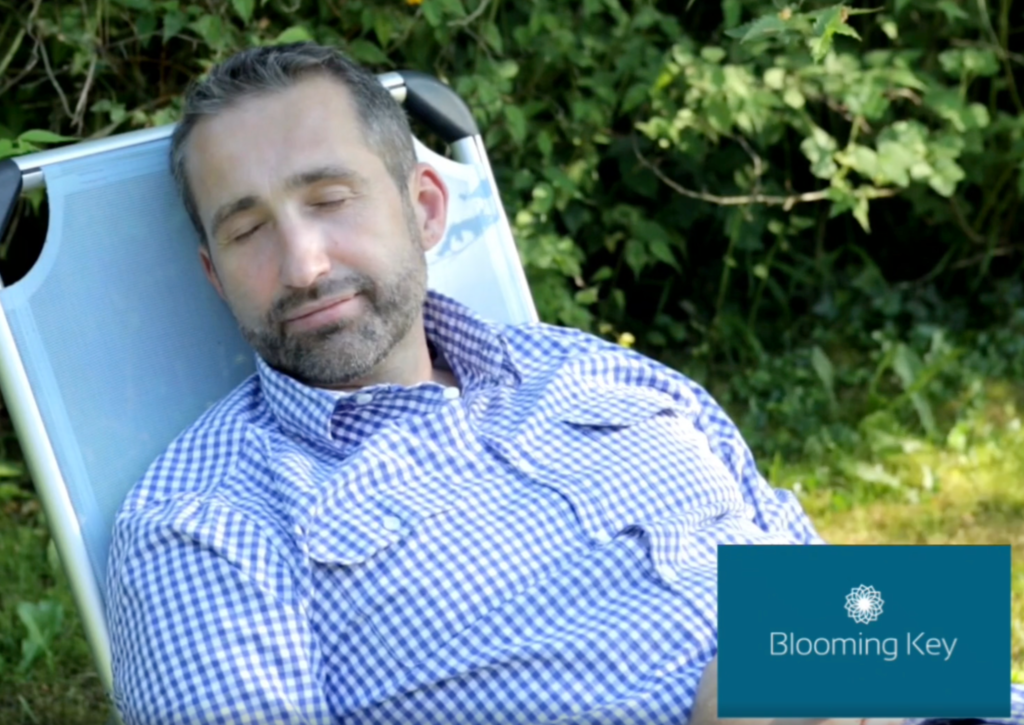
Anxiety Exercise: Relax Your Muscles
Releasing tension from your muscles can significantly reduce anxiety levels. When anxiety is present, it often shows up physically as muscle tightness. This tension can intensify anxious thoughts and make it harder to feel calm in the moment.
By learning how to consciously tense and relax your muscles, you can interrupt this cycle and support your body’s natural ability to settle. This simple exercise is commonly used in anxiety management and stress regulation.
How Muscle Relaxation Helps with Anxiety
Anxiety activates the body’s stress response, which prepares muscles for action. When this response stays active for too long, muscles remain tense even when there is no immediate threat.
Progressive muscle relaxation helps signal safety to the nervous system. As the body relaxes, the mind often follows, making anxious sensations easier to manage.
Step-by-Step Muscle Relaxation Exercise
- Sit in a quiet and comfortable place. Close your eyes and focus on your breathing. Breathe slowly in through your nose and out through your mouth.
- Use your hand to make a tight fist. Squeeze your fist firmly and notice the tension.
- Hold the tension for a few seconds, paying attention to how it feels in your hand and forearm.
- Slowly release your fingers and observe the sensation as the tension leaves your hand. Many people notice a feeling of lightness or warmth.
- Repeat this process with other muscle groups, such as your shoulders, legs, feet, or jaw. Move through your body gradually.
Avoid tensing any muscles in areas where you have pain or injury, as this may increase discomfort.
Using This Exercise in Daily Life
This exercise can be especially helpful during moments of acute anxiety, before sleep, or after stressful situations. With regular practice, many people find it easier to recognise tension early and release it before anxiety escalates.
For a guided experience, the video below can help you follow the exercise more easily and build confidence in using it independently.
Chronic anxiety is not only a mental experience — it is also a physical one. Learning to regulate the body plays an important role in long-term emotional balance and resilience.
If anxiety or stress is affecting your daily life, working on both mental and physical regulation can be highly beneficial. This is a key part of mental fitness coaching, which supports sustainable emotional wellbeing rather than short-term fixes.
If you have further questions or would like more support, feel free to get in touch.